
Article from the Hayling Island Horticultural Society
We were delighted to welcome back Elizabeth Sawday from Apuldram Roses to give us a follow up talk on putting our roses to bed. She previously spoke to us about establishing roses in our gardens and keeping them healthy. Apuldram Roses are now the largest rose growers in West Sussex and have been successfully growing roses for 50 years.
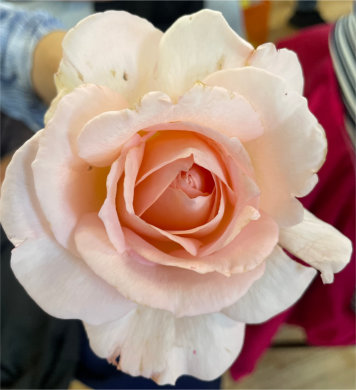
Roses have a life span on average of 20-25 years and many of us will still have roses adorning our gardens, even though they may be losing their leaves. Elizabeth explained that Black Spot is something we have to live with, but there are natural preventative measures that can be taken to limit its damage. It preys on weak roses so make sure they are well pruned, fed and watered and when the leaves fall, make sure you dispose of them all safely and not in the compost bin. You can also give the soil a winter wash with Sulphur Rose which is the natural enemy of black-spot – there are plenty of products on the market.
Autumn pruning is beneficial to all roses and the rule of thumb is prune bush roses to knee height in autumn and ankle in spring. Climbers should be trained laterally either in a fan or espalier form, cutting off all the downward growth. Roses naturally will bloom upwards or at the top, so if the stems are lacking in leaves and blooms, try and train growth out to the side. Make sure you remove all suckers; these are stems that grow from beneath the bud union or graft. They are usually acid green in colour whereas true stems have a reddish tinge.

Shrub roses should be pruned back by a third in autumn. However, please bear in mind that you cannot kill roses by over pruning and if any plant is growing where you don’t want it to, cut it back!
If you are growing roses in pots, prune as above and remove some of the top soil and replace with a good mulch which will work its way down overwinter. Every 4-5 years, lift the rose out of the pot and clear the roots of soil, trim them back and replant in new compost, maybe adding some mycorrhizal fungus around the roots to promote growth. Elizabeth advised against growing a new roses in the exact spot of an old rose and if you do, make sure you enrich the soil as much as possible. Also elevate your pots off the ground to ensure they do not become waterlogged.
Autumn is the season for bare root roses. Once very popular, growing roses from bare roots grew out of fashion with people preferring to buy more established roses for ‘instant gardening’. However, this is the best and most cost efficient way to populate your garden with more roses. These can be ordered in advance and there are huge variety available.
Once your roses have been pruned, spread well-rotted farmyard manure around the base of the roses, keeping the bud union clear and if you have no pets, a good feed of bonemeal is beneficial.
Elizabeth brought along samples of some of her favourite rose varieties: Ballerina – a 1920’s hybrid musk shrub rose; Lilac Wine – a floribunda; Chandos Beauty- with beautiful shell pink blooms; One in a Million – a rich crimson, highly fragranced and upright rose.