
Every year on November 14, the world marks World Diabetes Day, shining a spotlight on one of the most pressing health challenges of our time. With Type 2 diabetes on the rise globally, awareness around prevention, early detection, and healthy lifestyle habits has never been more important.
Understanding Type 2 Diabetes
Type 2 diabetes occurs when the body becomes resistant to insulin or does not produce enough of it to regulate blood sugar effectively. Unlike Type 1 diabetes, which is largely genetic, Type 2 is often linked to lifestyle factors such as diet, physical activity, and weight. Left unmanaged, it can lead to serious complications, including heart disease, kidney failure, vision problems, and nerve damage.
Warning Signs to Watch For
Many people live with undiagnosed diabetes for years. Common warning signs include frequent urination, excessive thirst, unexplained fatigue, slow-healing wounds, and blurred vision. Because these symptoms can be subtle, regular health check-ups and blood sugar screenings are key, especially for individuals over 40 or those with risk factors such as obesity or family history.
Prevention Through Lifestyle
The good news is that Type 2 diabetes is largely preventable. Research shows that even modest lifestyle changes can significantly lower risk. A diet rich in whole grains, vegetables, fruits, lean proteins, and healthy fats helps maintain stable blood sugar levels. Reducing processed foods, sugary drinks, and refined carbohydrates is especially important.
Physical activity is equally vital. Just 30 minutes of moderate exercise—such as brisk walking, cycling, or swimming—five days a week can improve insulin sensitivity and aid in maintaining a healthy weight. Managing stress, prioritizing sleep, and avoiding smoking also play a role in overall metabolic health.
Living Well With Diabetes
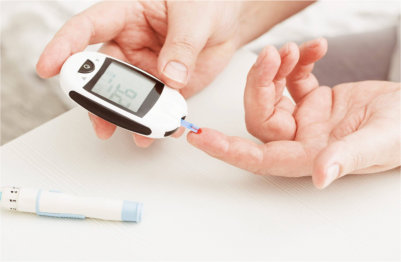
For those already diagnosed, lifestyle remains central to management alongside medical care. Monitoring blood sugar, following a balanced diet, and staying physically active can help reduce reliance on medication and prevent complications. Support from healthcare providers, family, and community resources is also essential in maintaining long-term health.
A Call to Action
World Diabetes Day is more than just a reminder—it is a call to take charge of our health. By recognising early signs, adopting healthier daily habits, and supporting awareness efforts, individuals and communities can help curb the growing impact of diabetes. Prevention is powerful, and small steps taken today can make a lasting difference for tomorrow.